Plan
History of Trancoso
From the 16th-century Jesuit mission to the village rediscovered by travelers in the 1970s: the story behind the Quadrado.
Updated on October 5, 2026 ✓ Information checked on October 5, 2026 adapted from the Portuguese original
Trancoso’s history begins long before tourism. It runs through the Indigenous peoples of the coast, the arrival of the Portuguese in 1500, the Jesuit missions and centuries of simple living, until the village was “rediscovered” at the end of the 20th century.
Before and during the arrival of the Portuguese
The coast of southern Bahia was Indigenous territory when Pedro Álvares Cabral’s fleet arrived in April 1500. The region became known as the Discovery Coast (Costa do Descobrimento): it was here that the first encounter between the Portuguese and Indigenous people (April 23, 1500) and the first Mass in Brazil (April 26, 1500) took place, according to Wikipedia.
One hypothesis links Trancoso directly to that moment. Wikipedia cites historian Max Justo Guedes, according to whom the fleet landed at the Rio dos Frades, in Trancoso, on April 22, 1500. Other historians place these events at different points along the coast, so we treat this as a hypothesis.
The Jesuit mission village
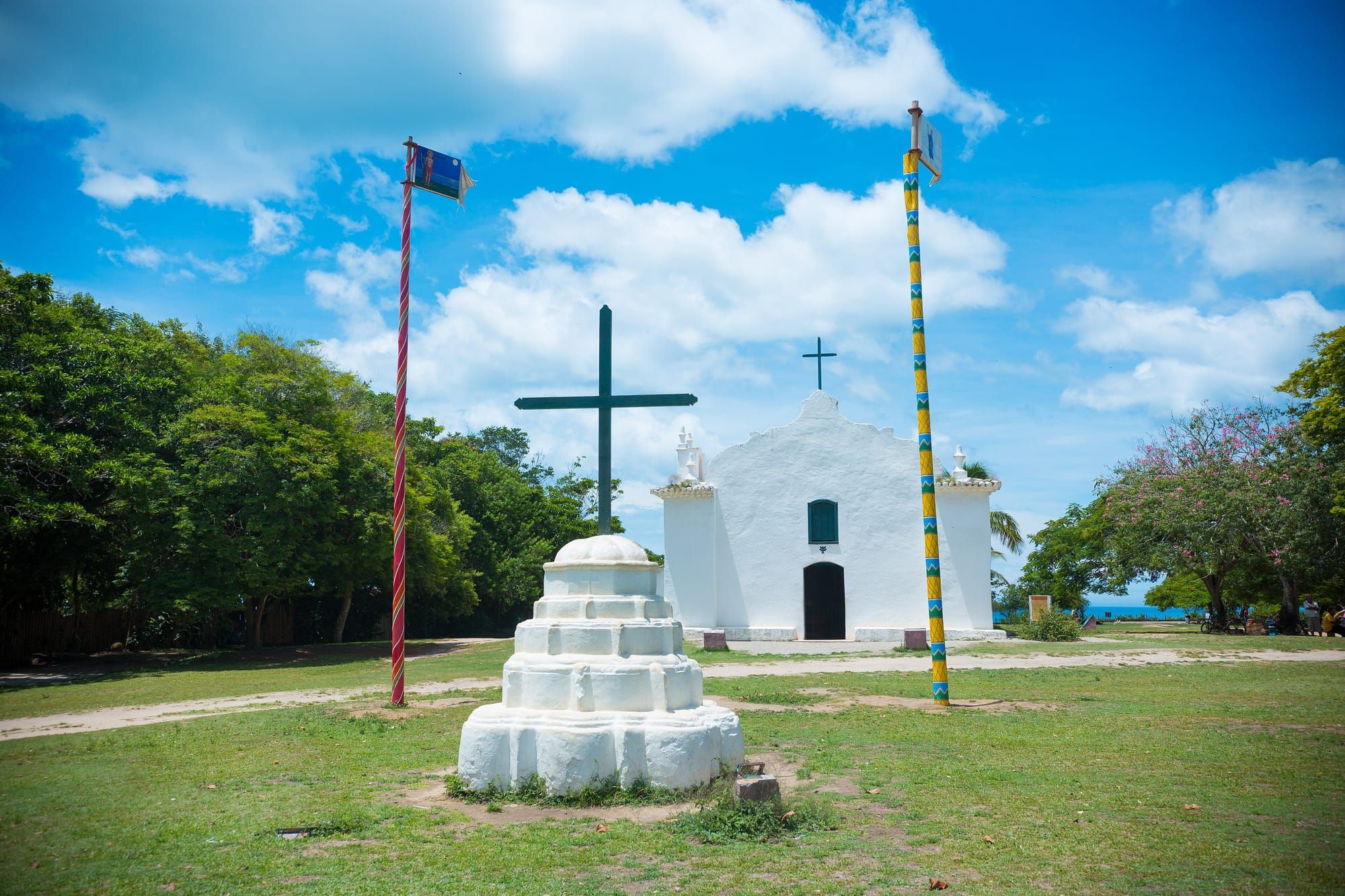
The village was born as a Jesuit mission settlement called São João Batista dos Índios. Portuguese-language Wikipedia records 1586; the English version, 1583. The mission layout, with a large open space, the church at one end and the houses around it, is the origin of the Quadrado and the São João Batista Church.
Centuries of isolation
For a long time, Trancoso was a village of fishermen and farmers, little known outside the region. According to Wikipedia, it remained unknown nationally until the late 1970s.
The rediscovery
In the late 1970s, alternative travelers arrived in the village and began spreading the word. From the 1990s, as tourism increased, growth was “dizzying”, in Wikipedia’s words. English-language Wikipedia notes that in 1999 a road linked Trancoso to Porto Seguro’s commercial infrastructure and airport.
Trancoso today
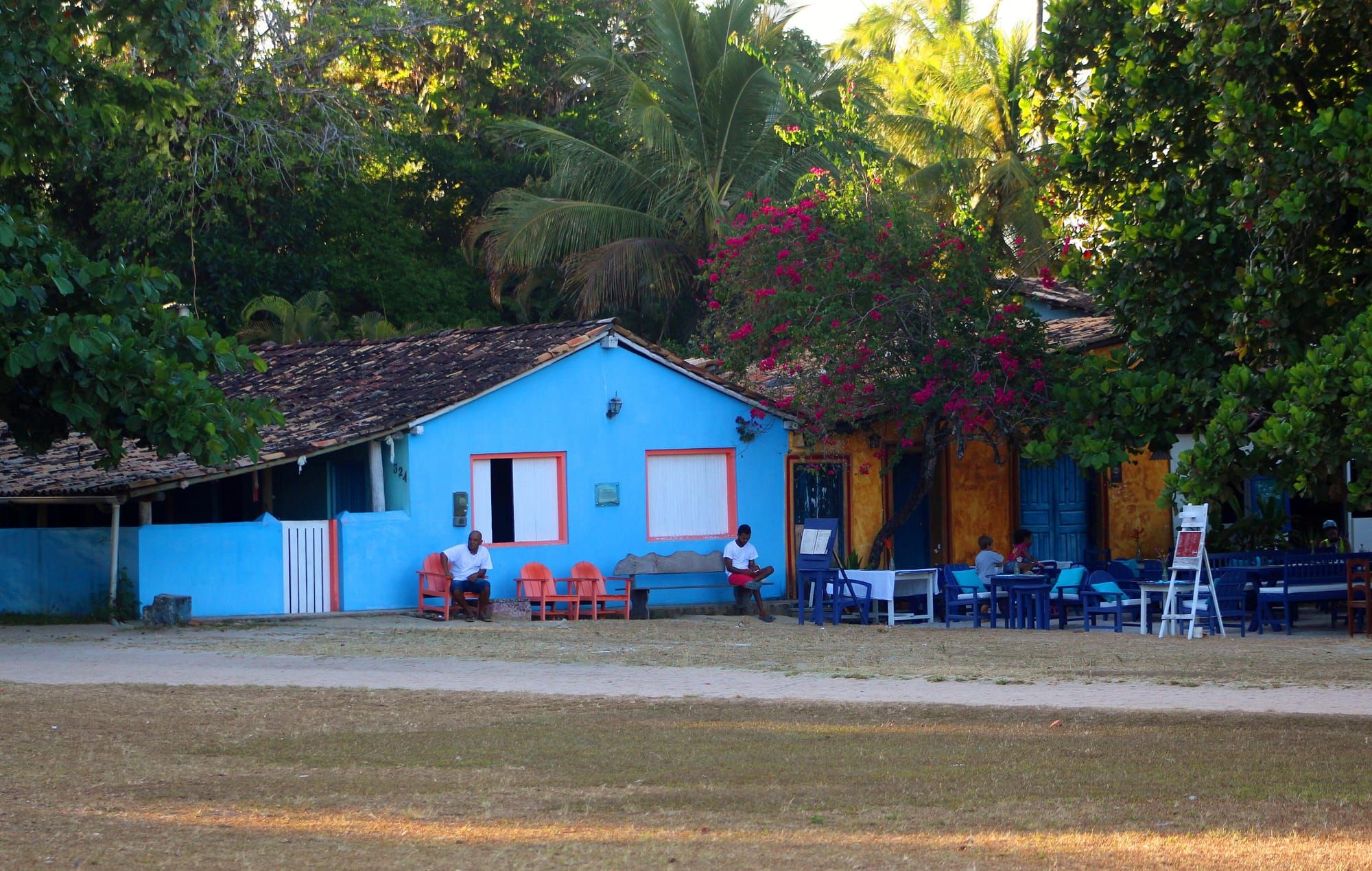
The district had 18,618 inhabitants in 2022, up from 11,006 in 2010, according to IBGE data cited by Wikipedia. The population blends descendants of Indigenous, African and European peoples, as well as residents who came from other regions and countries. The little houses of the Quadrado have become shops, restaurants and guesthouses.
The Pataxó
The Pataxó people live in southern Bahia and are an essential part of this story. The Instituto Socioambiental (ISA) recorded about 12,865 Pataxó in 2020. To learn about their culture, see the Jaqueira Reserve and Monte Pascoal.
For the regional context, read the Discovery Coast, a UNESCO World Heritage Site.
Frequently asked questions
When was Trancoso founded?
The village originated as the Jesuit mission village of São João Batista dos Índios. Portuguese-language Wikipedia gives 1586; the English version cites 1583.
Did Cabral land in Trancoso?
It is one hypothesis. Wikipedia cites historian Max Justo Guedes, according to whom Cabral's fleet landed at the Rio dos Frades, in Trancoso, on April 22, 1500. Historians interpret this differently.
When did Trancoso become a tourist destination?
According to Wikipedia, the village became known in the late 1970s, with the arrival of alternative travelers, and tourism grew sharply from the 1990s onward.
How many people live in Trancoso?
The district had 18,618 inhabitants in the 2022 Census, according to Wikipedia, citing IBGE (Brazil's statistics bureau) data.
Keep reading
Keep planning
-
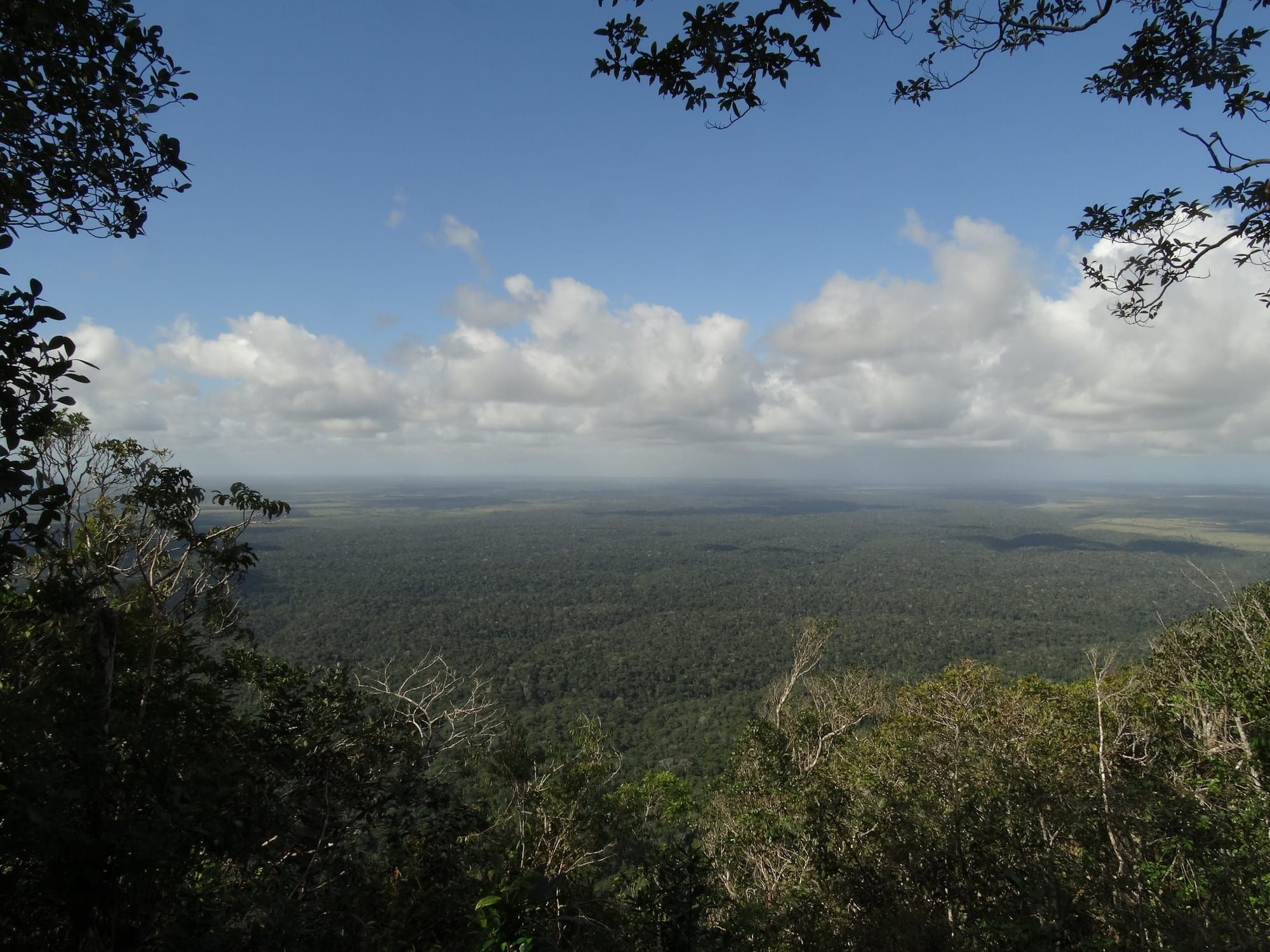 The Discovery Coast, a UNESCO World Heritage Site Trancoso lies in a region of history and Atlantic Forest recognized by UNESCO. Learn what the heritage site is and how to visit. Read guide
 -
 Trancoso FAQ The most common questions about Trancoso, with short answers and links to the full guides. Read guide
 -
 Things to Do in Trancoso The experiences worth the trip, from the village to the beaches and the surroundings, with links to each place's guide. Read guide